







Search Results for: Yunnan small grain coffee
Yunnan Coffee Beans: From Cultivation History to Flavor Characteristics—A Complete Analysis of Typica and Catimor Varieties
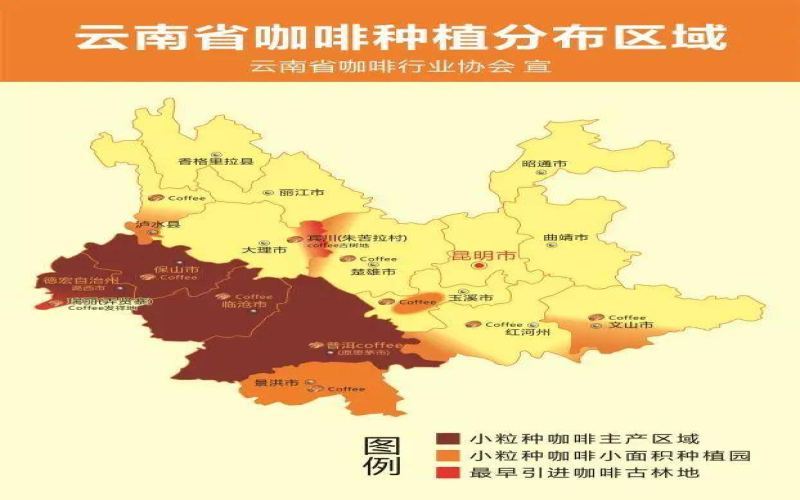
Yunnan, as China's core coffee-producing region, has a cultivation history dating back over a century and now holds an absolutely dominant position in the country's coffee planting area and output. This article systematically traces the evolution of Yunnan coffee from its introduction by missionaries to Nestlé's promotion of large-scale Catimor cultivation, and explains in detail the terroir differences among major producing regions such as Dehong, Baoshan, Lincang, and Pu'er, while comparing the characteristics and processing methods of the two major varieties, Typica and Catimor. Front Street Coffee has established a dedicated Typica estate in Baoshan and launched multiple products including washed Typica and Catimor everyday drinking beans, along with roasting and pour-over parameters, to give you a comprehensive understanding of the potential and flavor expression of Yunnan coffee. [more…]
Analysis of the Roasting Methods and Processing Methods of Yunnan Typica Coffee Beans: The Historical Origins and Variety Evolution of Arabica Coffee
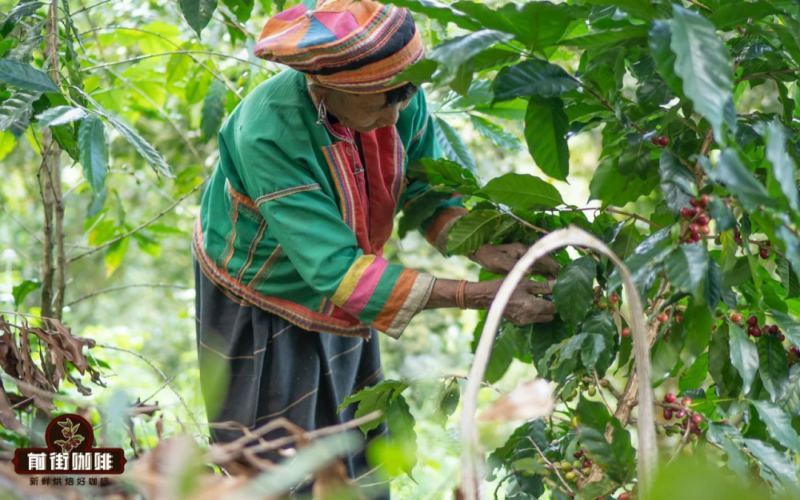
The connection between Yunnan and coffee can be traced back a century, when the first coffee tree was introduced by French missionaries. Since then, the coffee industry on this land has undergone a succession of varieties from Typica and Bourbon to Catimor, and has also witnessed a transformation from commercial bulk raw material to specialty coffee. This article sorts out the historical threads and development milestones of Yunnan small-bean coffee, explains the varietal meaning of the term "small bean," and takes a deeper look at the differences between Typica and Catimor in disease resistance, yield, and flavor. At the same time, Front Street will share the cultivation practices, natural processing methods, and medium-roast approach for Yunnan Typica coffee beans, along with suggested pour-over parameters, to help coffee lovers gain a comprehensive understanding of the flavor characteristics and brewing key points of Yunnan coffee. [more…]
A Complete Guide to Yunnan Coffee Varieties and Flavors: From Catimor to Typica, How the Specialty Coffee Journey Unfolded
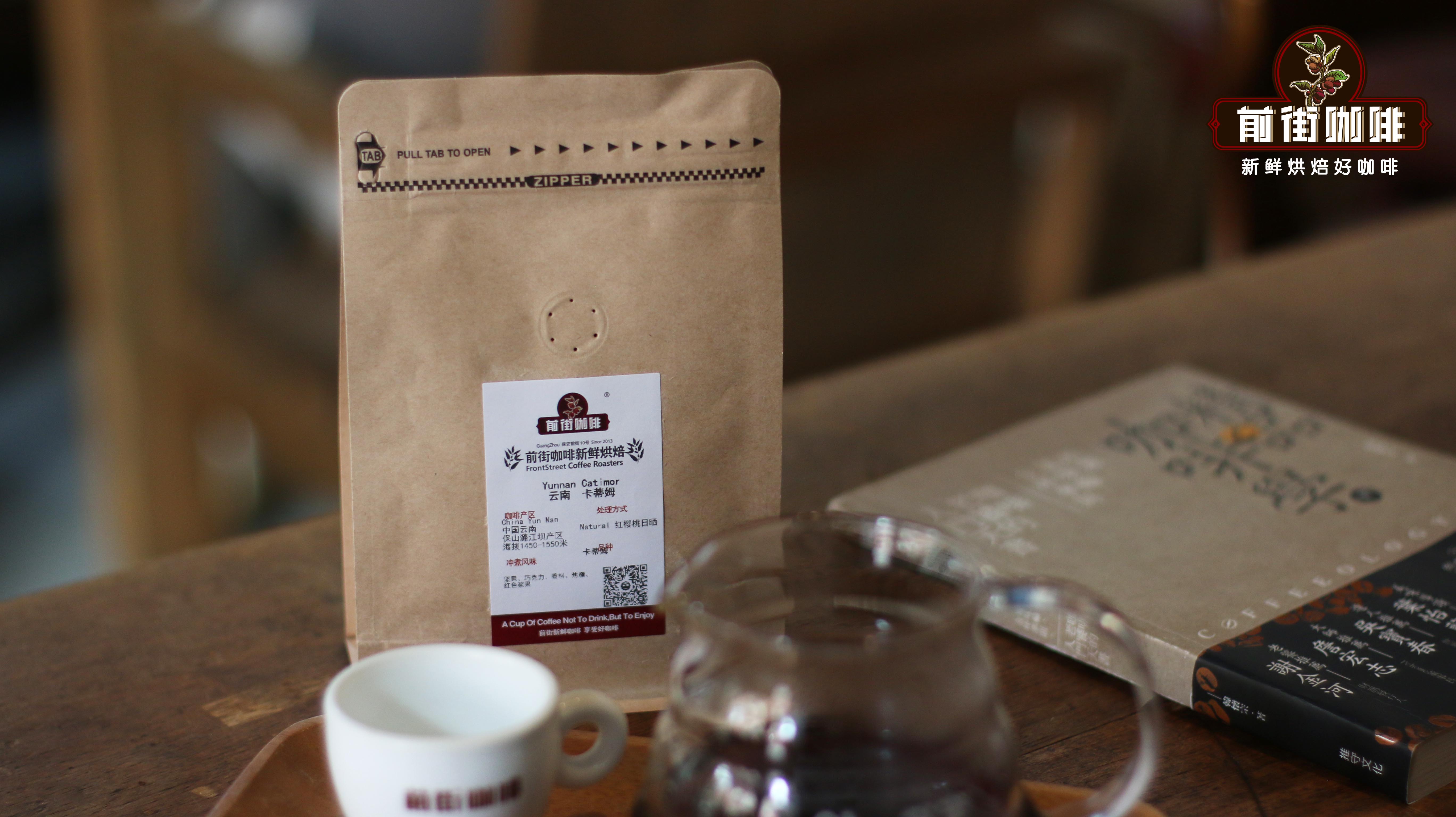
Yunnan coffee has undergone a transformation from commercial beans to specialty beans. From the perspective of Front Street, this article traces the history of coffee cultivation in Yunnan, the origin and characteristics of the Catimor variety, and attempts to introduce high-quality varieties such as Typica. It also explains how washed and natural processing methods affect flavor, and shares the specific brewing parameters and cupping performance of Front Street Yunnan Small Bean and Front Street 2013 Natural Typica, helping coffee enthusiasts gain a comprehensive understanding of the true taste and current state of Yunnan coffee. [more…]
How to Choose a Yunnan Small-Bean Coffee Brand? From Regional History to a Flavor Comparison of Front Street Coffee's Typica and Catimor
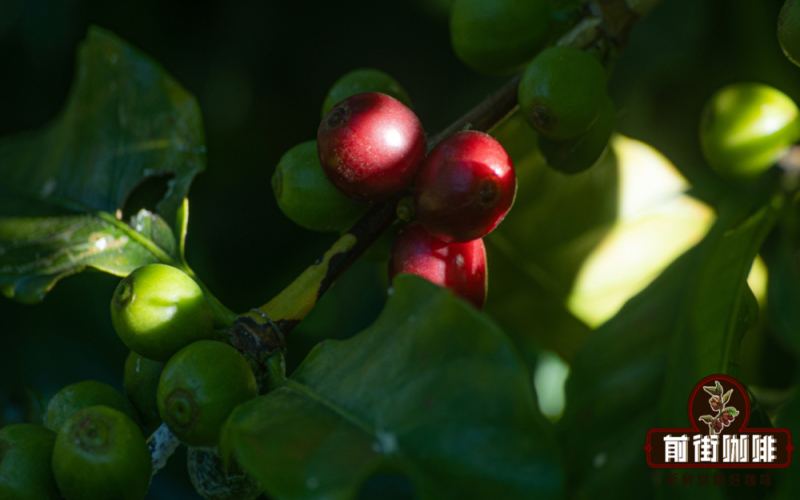
Yunnan small-bean coffee belongs to the Arabica species of the Coffea genus in the Rubiaceae family, and is mainly produced in Lincang, Baoshan, Pu'er, Dehong, Nujiang, Xishuangbanna, and other places. In 1892, a French missionary brought the first coffee tree to Binchuan County for trial planting. Because the fruit was on the small side, it was called small-bean coffee, and later genetic identification confirmed that it originally belonged to the Typica variety. During the debt period, the government encouraged expanded planting, and after Nestlé entered, it promoted Catimor, which led Yunnan beans to be equated with instant coffee raw material for a long time. In recent years, cultivation and processing have become more scientific, Yunnan beans have improved in quality and have been accepted by more markets. Front Street Coffee currently sells Baoshan Lujiangba 1200m Catimor and Lincang 1300m Typica, each with different flavor emphases. This article also gives V60 brewing parameters and the performance of the two beans. [more…]

Exploring Asian Origins: An Analysis of the Cultivation History, Variety Evolution, and Flavor Characteristics of Yunnan Coffee
In the global coffee landscape, Asian origins stand out for their herbaceous, fresh-toned character, and Yunnan, China, is a key representative of this style. From the first coffee tree planted by a French missionary in Zhukula in 1892, to the shifts between Typica and Catimor varieties, and now to the specialty exploration of high-altitude Typica in Lincang, Yunnan coffee has traveled a winding yet remarkable path of evolution. In this article, Front Street Coffee will guide you through the cultivation history, main varieties, terroir conditions, and flavor expression of Yunnan coffee, and share Front Street's 2013 Yunnan Typica brewing parameters and tasting notes, so you can experience together the unique coffee charm nurtured by this land. [more…]
Yunnan Coffee Variety Evolution and Brewing Guide: The Cultivation Story of Front Street Coffee Typica Small-Bean Coffee and Pour-Over Parameter Analysis
The evolution of coffee varieties in Yunnan is a history worth telling in detail. Why was the originally introduced Typica later replaced on a large scale by Catimor? What flavor limitations does Catimor have? Front Street Coffee insists on growing Typica in Baoshan, using washed processing to preserve the authentic taste of the region, and has verified this bean's expressiveness through cupping and repeated brewing. This article will trace the ins and outs of Yunnan coffee's variety replacement, include the Yunnan coffee market conditions in early 2021, and share in detail Front Street Coffee's Typica roasting curve and V60 staged pouring plan, helping enthusiasts reproduce at home a balanced flavor combining nutty, chocolate, and soft acidity. [more…]

The Complete Guide to Buying and Brewing Drip Coffee: Freshness, Flavor Varieties, and Key Brewing Tips
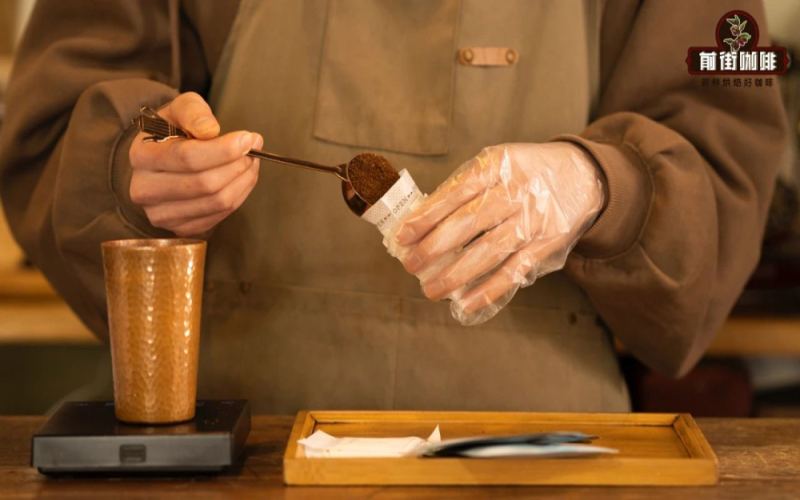
Drip bag coffee, with its portability, has become a simplified alternative to pour-over coffee—just add hot water and a cup to enjoy it anytime. However, the loss of aroma and gas emission after pre-grinding the coffee grounds can weaken the flavor, so when purchasing, pay attention to freshness, taste compatibility, and brewing details. Front Street Coffee uses beans freshly roasted within 5 days and offers 24-hour shipping to ensure the best performance of drip bag coffee. From the bright fruity acidity of Yirgacheffe to the rich, non-acidic Golden Mandheling, and the balanced, mellow Yunnan small-bean coffee, this article reviews several selected drip bag coffees and explains a four-step brewing method in detail, helping coffee lovers avoid common pitfalls and achieve a consistently good taste. [more…]
How to Brew Medium-Dark Roast Drip Coffee Bags for a More Delicious Cup? A Detailed Guide to the Flavors and Techniques of Mandheling, Brazil, and Yunnan Small-Bean Coffee
Drip bag coffee is convenient and quick, but to brew a delicious American-style black coffee, freshness, bean selection, and pouring technique are all indispensable. This article starts with the best-tasting period, helps you understand how different roast levels affect flavor, and recommends three medium-dark roast drip bags from Front Street Coffee: Indonesia Mandheling, Brazil Cerrado, and Yunnan Arabica. It then breaks down the four-stage pouring process in detail: in the first stage, pour until the filter bag is half full and let it bloom for 15 seconds; for the remaining three stages, wait until the coffee liquid has fully drained before pouring again, each time up to the 9/10 mark, with a total poured water volume of about 150ml. By following along, you can easily make a cup of rich, balanced drip bag coffee with no acidity or only slight acidity at home. [more…]
Is Caturra Part of the Arabica Family? A Complete Guide to the Origins and Key Characteristics of the Caturra Variety
Many coffee enthusiasts, once they get into specialty coffee, begin to pay attention to information such as origin, processing method, and variety. Coffee varieties are broadly divided into two major categories, Arabica and Robusta, but the differences behind the two are often overlooked. This article, from the perspective of Front Street, sorts out the origin of the Arabica species and the context of its subspecies, and focuses on Caturra—it originates from a natural mutation of Bourbon, has a short plant, is easy to pick, has better disease resistance than the parent species, and has higher yield, and is widely planted in Central and South America. The article will also mention common varieties such as Typica, Bourbon, and Geisha, as well as related Front Street products and brewing suggestions, to help readers build a more complete understanding of varieties. [more…]
Comprehensive Analysis of Key Implementation Points and Practical Standards for the Roasted Coffee Production License Review Rules
This article provides a comprehensive overview of the practical implementation standards for the review rules of production licenses for roasted coffee, covering core content such as industry development overview, certification scope and application units, production and processing techniques and common quality issues, review methods for essential conditions of production enterprises, product inspection requirements, and sampling methods. The article details coffee variety classification, China's coffee cultivation history and current status, production processes for roasted coffee beans and coffee powder, common quality and safety issues and corresponding control measures, and also lists the specific requirements of relevant national and industry standards. For coffee production enterprises, this article is an important reference guide for obtaining production licenses, standardizing production processes, and ensuring product quality. [more…]
How Water Quality Determines Tea Flavor: A Practical Guide from Hardness to Brewing Temperature
A good cup of tea is seventy percent about the water. Many people focus only on the tea leaves when brewing, overlooking the decisive influence water quality has on flavor. Water hardness, pH, chlorine content, and total dissolved solids all directly affect the clarity and aromatic layers of the tea liquor. Drawing on real-world cases, this article explains why hard water causes iced tea to turn cloudy, how chlorine masks tea aroma, and offers actionable testing and filtration solutions. It also includes target water temperatures and steeping times for the six major tea categories, along with flavor references for common tea varieties. Whether you run a coffee shop or are a tea enthusiast, you'll find practical methods here to improve the consistency of your output. At the end, there's also information about Front Street Coffee's related products, which is worth checking out. [more…]
Typica and Arabica Relationship Explained: Coffee Variety Classification, Flavor Characteristics, and Processing Methods Overview
Many people ask what exactly the difference is between Typica and Arabica—in fact, Typica is an ancient variety under the Arabica species. This article starts with the three major native coffee species, outlining the characteristic differences between Arabica, Robusta, and Liberica, then takes a deeper look at the origins, flavor profiles, and cultivation traits of well-known varieties such as Typica, Bourbon, Caturra, Catuai, and Geisha. It also combines the growing regions, altitudes, and processing methods of several representative products from Front Street Coffee to help coffee enthusiasts build a clear framework for understanding coffee varieties. [more…]

Is Catimor Really Arabica? An Analysis of the Relationship Between Yunnan Small-Bean Coffee and Catimor
Does Catimor coffee bean actually belong to Arabica? Is Yunnan small-bean coffee just Catimor? These are questions that many coffee enthusiasts often confuse. This article starts with the varietal origins of Front Street Coffee's Catimor, sorting out its hybrid relationship with Tim and Caturra, as well as the differences in flavor expression under different altitude conditions. At the same time, in light of the current development status of the Yunnan production region, it introduces the flavor characteristics of Front Street Coffee's Yunnan small-bean washed Catimor, and further discusses the original intention behind Front Street Coffee cultivating the Typica variety in Lincang, Yunnan, as well as the clean sweetness brought by the natural processing of Front Street Coffee 2013 coffee. [more…]
Does Specialty Coffee Only Mean Arabica? A Full Analysis of the Three Native Species and Common Arabica Varieties
The variety of coffee beans directly influences the flavor profile in the cup and also determines the growing conditions and disease resistance of the coffee tree. In the specialty coffee world, Arabica is the absolute dominant species, but Arabica is not the only answer for specialty coffee. This article starts with the three major native coffee species, sorting out the differences among Arabica, Robusta, and Liberica in flavor, yield, and uses, then delves into common Arabica sub-varieties such as Typica, Bourbon, Caturra, and Geisha, explaining their origins, plant characteristics, cultivation performance, and cupping styles one by one, and includes production region and processing information for several corresponding Front Street Coffee products, for coffee lovers to follow the guide. [more…]
Beginner's Everyday Coffee Beans | How to Choose Beans for Pour-Over? Recommended Single-Origin Coffee Beans for Pour-Over: Great Taste and Affordable, Light, Medium & Dark Roasts
Today, Front Street Coffee will discuss the topic of how beginners should choose coffee beans for their first pour-over. Since pour-over coffee uses drip extraction, it can excellently present the flavor profile of the coffee beans in the cup. Therefore, Front Street Coffee recommends prioritizing single-origin coffee beans that emphasize individuality for brewing. This type of bean, through adjusting the roast [more…]
Analysis of Robusta and Arabica Hybrid Varieties: Introduction to Timor, Catimor, Castillo, and Yunnan Small-Bean Catimor
The coffee world is mainly divided into three major species: Arabica, Robusta, and Liberica, with the first two dominating commercial cultivation. Robusta originated in Congo, West Africa, and has strong adaptability, high caffeine content, a full-bodied flavor, and rich oils, and is often used in espresso blends and instant coffee. To incorporate its disease-resistant genes, coffee breeders crossed Robusta with Arabica, giving rise to a series of varieties such as Timor Hybrid, Catimor, and Castillo. This article will analyze the origins and characteristics of these varieties one by one, and introduce the Yunnan small-bean Catimor produced by Front Street Coffee, guiding you through the complete thread from variety to cup. [more…]

Flavor Analysis of Yunnan Coffee's Four Major Producing Regions: Catimor Variety Characteristics and Front Street Recommendations
Yunnan, as a representative coffee-producing region in China, has seen its small-bean coffee's flavor and variety evolution attract continuous attention. This article starts with Front Street Coffee's recommended bean "Front Street 2013" and traces the historical thread of Yunnan coffee from missionary introduction to Nestlé's promotion of large-scale Catimor cultivation. It analyzes the flavor characteristics of the Catimor variety due to its Robusta genes, and, in combination with the "Yunnan Coffee Flavor Map Illustrated Guide," sorts out Yunnan coffee's flavor spectrum dominated by nuts, citrus, and sugars. The article also explores why the Baoshan producing region and the washed processing method serve as entry-level choices, as well as the variety and processing challenges Yunnan coffee encounters on the path to specialty coffee. [more…]
Yunnan small-bean coffee varieties and flavor analysis: Catimor taste characteristics and Front Street Coffee roasting recommendations
Yunnan coffee has frequently become a hot topic in coffee circles in recent years. Some praise its outstanding sweet aroma, while others dislike its heavy earthy, gamey taste. Behind these conflicting evaluations lies over a century of variety changes and industrial transformation in Yunnan coffee. This article starts with the planting history from Typica to Catimor, analyzes the flavor causes of Yunnan small-bean coffee, and introduces how the Front Street Coffee staple bean series presents the regional characteristics of Yunnan through Baoshan washed Catimor. Whether you are new to Yunnan beans or want to gain a deeper understanding of the advantages and disadvantages of the Catimor variety, you can find answers here. [more…]
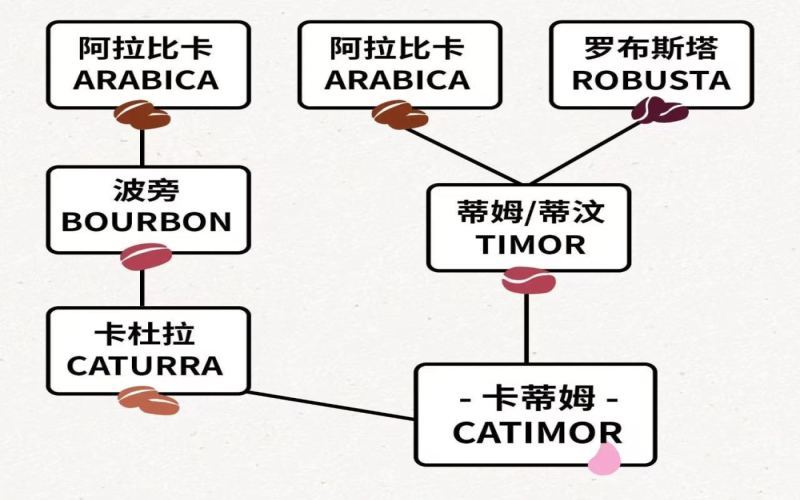
The Origin and Spread of the Catimor Coffee Variety Group: From Leaf Rust Resistance Hybridization to the Transformation of Yunnan Small-Bean Coffee
Catimor is not a single variety, but rather a group of varieties with similar bloodlines, and its birth stemmed from humanity's efforts to combat coffee leaf rust. From the natural hybrid Timor Hybrid found on the island of East Timor to its combination with Caturra, Catimor inherited the flavor potential of Arabica and the disease-resistant genes of Robusta. This variety group is widely cultivated in the Americas and Asia, especially in Yunnan, China, where Catimor replaced the traditional Typica and became the main variety. This article will sort out the origins of Catimor, the representative varieties bred in various places, and its role in Yunnan small-bean coffee, and discuss the relationship between its flavor expression and growing conditions. Front Street Coffee believes that Yunnan Catimor presents a balanced flavor of nuts, brown sugar, and plum. [more…]
Analysis of the Three Major Coffee Varieties: Robusta Characteristics, Arabica Hybrid Breeding, and the Flavor of Yunnan Catimor
In the world of coffee, Arabica, Robusta, and Liberica make up the three major species systems. Among them, Robusta, with its strong disease resistance and high caffeine content, has become an important raw material for espresso blends and instant coffee. This article begins with Robusta's origins and growth characteristics, then takes a deep dive into the genetic advantages brought by its cross-pollination, and traces the breeding history of Arabica-Robusta hybrids such as Timor Hybrid, Catimor, and Castillo. Finally, it focuses on Yunnan small-bean Catimor, exploring its flavor performance after washed processing, as well as its application in Front Street Coffee's espresso blends and pour-over single origins. Whether you are a coffee enthusiast or a industry professional, you can gain practical reference on variety selection and flavor pairing. [more…]